A Window Seat for the First Rainy Afternoon
A window seat for a rainy afternoon turns a gray stretch of time into a calm ritual with one comfortable place, an unhurried activity, and a view.

How do you make a rainy afternoon feel like time you chose, rather than time you are waiting out? Set up a window seat for a rainy afternoon with one comfortable place, one unhurried activity, and a view that can hold your attention without demanding it.
This is not a project to perfect. Pick a spot, bring only what you need, and let the weather supply the changing details. The numbered ideas below help you shape the afternoon around a clear, gentle center.
1. Choose a window for its view, not its size
A generous view is not necessarily the best one. Look for a window where you can notice a few changes: rain tracing the glass, leaves turning over, a neighbor’s porch light, or water gathering along the curb. A modest view gives your eyes something to return to without asking you to scan the whole street.
Choose a place where you can sit without twisting your neck or leaning against a cold pane. A chair beside the window often works better than a narrow sill. If the only good view is from a kitchen stool, use that; the point is to settle somewhere your body can stay at ease.
For privacy, angle the chair toward a tree, roofline, or patch of sky instead of directly toward another home. You can draw a sheer curtain partway if that helps the room feel quieter while leaving the rain visible.
2. Make one seat feel ready
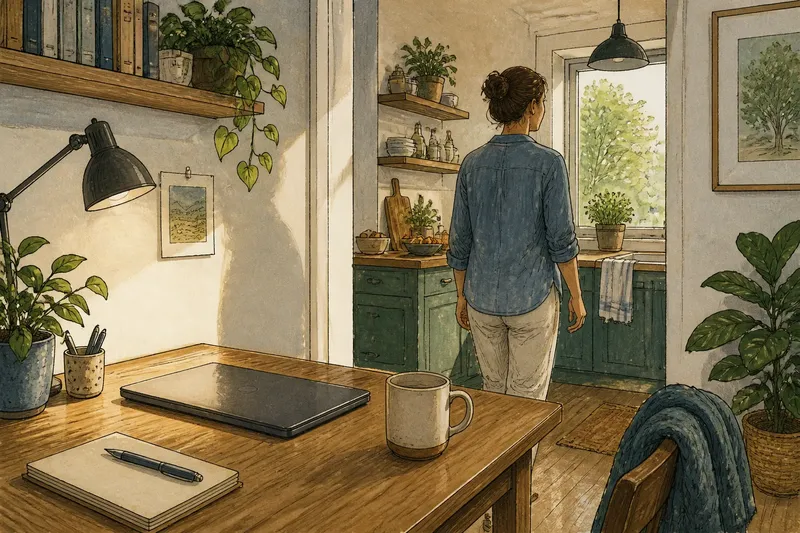
Gather a cushion, a soft throw, and a small surface for your cup or book. Keep the arrangement simple enough to set up without turning the afternoon into a room makeover. A tray, sturdy side table, or cleared windowsill can hold the few things you actually plan to use.
Check the ordinary comforts before you sit down: is there a draft, is the seat supportive, and can you reach your drink without balancing it on your knee? If the window is cold, move the chair a little farther away and keep the view in sight. If the room is dim, switch on a lamp behind or beside you so the page remains easy to read without washing out the glass.
Say you have a reading chair facing a rain-streaked garden, but its cushion has slipped and the nearest table is crowded with mail. You could straighten the cushion, move the mail to a shelf, and place a mug and paperback on the cleared table. The expected result is a seat that feels ready to use, with fewer reasons to get up once you settle in.
3. Pick an activity that tolerates interruption
Choose something you can pause without losing your place or feeling that you have spoiled the afternoon. A short story, knitting, sketching the view, sorting a small stack of postcards, or listening to an album at low volume can all suit this kind of attention. Keep the activity modest: one chapter, a few rows, or a page of loose drawing is enough to give your hands or mind a direction.
Reading works well if you already have a book you want to open. For drawing, use a pencil and a single sheet rather than laying out a full set of materials. If sound feels better than silence, choose one record or a quiet playlist before sitting down, then leave the controls alone unless you genuinely want a change.
Skip tasks that turn the seat into a station for catching up: inboxes, household paperwork, and anything that repeatedly pulls you to another room. You do not need a special candle, a complicated drink, or a carefully curated soundtrack. Those extras are not worth the effort if arranging them takes longer than settling in.
4. Give the rain one thing to watch
Pick a small feature outside and let it become the afternoon’s moving point. Notice where drops collect on the glass, how a branch bends, or how the color of a path changes as it darkens. A single detail keeps looking from turning into a search for something remarkable.
You can also watch the rain’s pattern rather than its scenery: steady tapping, a brief lull, then heavier drops. There is no need to name every change or keep track of time. If your attention wanders to the book or your thoughts, let it; the view is there when you want to return.
Avoid pressing your face to the window or opening it just to feel more involved if the weather is uncomfortable. The view can be enough from a dry, warm seat. Watching is an activity, even when it leaves no finished object behind.
5. Let the first few minutes be plain
When you sit down, give yourself a moment before beginning the chosen activity. Settle your feet, place your cup somewhere stable, and look outside. This small interval helps the shift from moving around the house to staying put feel deliberate without requiring a formal routine.
Then begin with the easiest part: open the book, make the first sketch mark, or press play. If you find yourself adjusting the blanket or reaching for one more item, make that adjustment once, then let the setup be good enough. Repeatedly refining the scene can keep you from experiencing it.
There is no need to stay for a set duration. Leave when your body wants to move, your drink is finished, or the activity has run its course. A quiet afternoon is not improved by turning it into an endurance exercise.
6. Keep a small sign of the afternoon
If you want to carry something from the pause into the rest of the day, choose a simple, optional trace. You might mark a line in the book, leave the sketch on the table, or remember one detail in the view. The trace should make it easy to return to the activity later, not create another task to complete.
Before getting up, put away anything that could spill or be damaged by a damp window ledge. Leave the chair in a way that makes it easy to use again, but do not feel obliged to reset the whole room. The useful part is knowing that the seat is still available, not preserving a staged arrangement.
What makes a rainy window seat work?
What should I do if I do not have a good window?
Choose the most comfortable seat with any view of the weather, even if it is only a slice of sky or a reflection in a pane. If no window offers a pleasant place to sit, keep the activity and quiet setup, and let the sound of rain be the afternoon’s background.
Which activity is best for a rainy afternoon?
Pick one that feels inviting and can be paused easily, such as reading, sketching, knitting, or listening to music. The right choice is the one you can begin without substantial preparation and leave without frustration.
How can I make the seat comfortable without buying anything?
Use a cushion from another chair, a folded blanket, and a cleared table or tray. Shift the seat away from a draft and adjust the light before you settle in.
What if I cannot stop checking my phone?
Put it on silent and place it just beyond arm’s reach, or leave it in another room if you do not need it nearby. Keep it accessible for an urgent need, but do not use it to fill every quiet moment.
A window seat for a rainy afternoon does not need to be a permanent corner or a special occasion. Keep the three choices small: a seat your body likes, an activity that allows pauses, and one view detail worth noticing. The next time rain begins, you can return to that arrangement without having to invent the afternoon from scratch.